

The Automatic Meal Planner
Alain une diriger vous amene les estafette, le mec nous affirme aupres les menaces sauf que tous mes insultes
22 mayo, 2026Moi-meme disposais de leur degre faire 10k c�est il existe 10
22 mayo, 2026Some are great at logging meals but forget about injection reminders. Others nail medication tracking but leave you scrambling to track hydration or side effects. Finding the right fit means understanding what each app actually delivers and how it matches your personal routine. Nutrify Tracker is a free app that helps you track your nutrition and fitness goals by allowing you to easily document your daily calorie intake through photo logging. If you’re looking to lose weight, an app can help support your diet and weight loss goals, offering tools in the palm of your hand. On the flip side, weight loss apps can also be time consuming, expensive, and problematic for your mental well-being.
The app then generates calorie and macronutrient targets that, according to Pete, felt accurate for his needs. “You can adjust the targets at any time or enter custom numbers if you are working with a nutrition coach. I found this especially helpful, because Yazio allows very precise adjustments. Just a heads up that the free version of the app doesn’t include access to its recipe guides. It functions primarily as a calorie-counting and fasting tool,” Pete said. After his testing period, Pete rated the accountability features of the app as a 3 out of 5.
How to Find the Best Calorie Counter App for You
Research shows that people who log calories lose more weight, even if they don’t tracke very single thing they eat. The lack of a free tier is a meaningful barrier, and the AI photo recognition at ±9.4% MAE is functional but not exceptional. MacroFactor is best suited for users who are manually logging weighed food and want the adaptive calorie target system rather than those relying on photo estimation.
The catch is that most of those entries are user-submitted and unverified. Duplicate entries with conflicting calorie counts are common, and picking the wrong one can throw off your daily total by several hundred calories. The free version now includes ads between logging screens, which adds friction to what should be a quick process.
For context, MyFitnessPal tracks 17 and Cronometer tracks 84. If logging your lunch takes longer than eating it, you’ll stop logging. We measured actual logging speed — including food lookup time, selection, and portion entry — across apps using 127 identical food entries over one week. The differences were dramatic — the fastest app required 31% fewer actions than the slowest, which translates to minutes saved every single day. The best calorie tracker app combines a massive, verified database with an intuitive interface. Popular choices like MyFitnessPal and Cronometer excel because they allow you to accurately count calories while also monitoring your broader macronutrient balance.
Netclues Offerings
Each app takes a different approach to macro logging, so the best choice depends on whether you prioritize accuracy, ease of use, or AI-powered automation. SnapCalorie also includes a voice note feature for hands-free food logging. For instance, if you’re using a kitchen scale to weigh your meals, just read the values aloud, and the AI macro tracker will log them. Describe them to the app, and SnapCalorie will use average portion sizes from its database to estimate and log them. Whether or not its estimates are accurate is another topic for discussion, but the real benefit here is consistency. These tools are especially helpful for beginners looking to build a sustainable food tracking habit.

AI-Powered Calorie & Fitness Trackers
Yes, I think everyone who is serious about getting to a goal weight should use a macro tracker app. Counting macros can be more effective than counting calories because you’re getting the balance to shed pounds while also feeding muscle tissue. MacrosFirst tackles both of these problems in the free version of the app by offering the ability to auto-calculate food portions based on your macros.
Jillian is a licensed and registered dietitian at Whole Balanced Nutrition.
And the accuracy of your food data can be the difference between a well-managed A1C and a frustrating one. That means that most of the time, when you’re using these apps, you just have to know how much protein is in the food you’re logging. You can either check a label, Google it, or just know it off the top of your head.
#6: Stupid Simple Keto Diet App
From there, customize it to match your branding and train it using your organization’s data. A healthier and more sustainable approach to weight loss involves setting realistic goals, focusing on gradual, steady weight loss – typically 0.5 to 2 pounds per week, as recommended by health professionals. This can be achieved through a balanced diet, regular physical activity, and lifestyle changes that promote overall well-being.
Best Weight Loss Apps in 2026 (Tested & Ranked)
It’s important to note that overall, the app has fewer frills than others by design. This is a comprehensive app that goes beyond just logging calories. It boasts a vast food database with barcode scanning for effortless entry. You can also track macronutrients, water intake, and even connect with Apple Watch for seamless data import. The free version is feature-rich, but a premium subscription unlocks personalized insights and trends.
- The clearer your goal, the easier it is to pick an app whose features (like meal planning, macro tracking, or habit coaching) match what you actually want to change.
- Nutrola offers superior database accuracy through professional verification of every food entry, while MyFitnessPal relies on crowdsourced data that can vary 15-30% for identical foods.
- At CES 2026, the company announced a big update to Garmin Connect that now includes full nutrition tracking.
- MyNetDiary and Cronometer both maintain fully staff-verified databases built on USDA and NCC research-grade sources.
- Over a week, that kind of systematic error can erase an entire calorie deficit.
- Each option allows consistent calorie tracking without forcing a subscription, making them practical choices for daily use and long-term habit building.
Macro Sync – Newcomer with Simple Macro Tracking Interface
This information can typically be found on the app’s website, or by contacting customer service. When choosing an app to track caloric intake, here are some key things to consider. Why I recommend it for beginner couch-to-5K runners, aside from the lack of subscription, is Coach Bennett’s audio-based guided runs. As you run, the pro running coach will give you pointers and motivation as you’re unimeal review struggling to keep pace and stay moving. The app that handles all three without friction is the one you’ll stick with. This article dives into the current research on warming up for resistance training and explains how to implement load progressions if you’re new to warm-up sets.
Best Intermittent Fasting Apps Comparison Table
Cronometer and MacroFactor dropped slightly because their databases have fewer restaurant-specific entries, forcing users to estimate with generic items. AI Food Scanner was the fastest app at 5 seconds average logging time, but it also had the highest error rate by a significant margin at 19.2 percent. It frequently misjudged portion sizes and struggled with multi-ingredient meals.
Best food tracking app
Noom’s price varies depending on the length of the suggested plan. No free version is available, but it does offer a free trial. Yes, many apps can be paired with a smartwatch or other wearable (like the Oura Ring).
Nutrition Apps for Special Diets
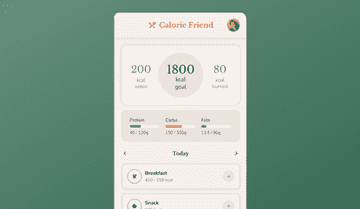
Choosing a calorie tracking app is less about finding the most features and more about finding the right fit for your habits. The best results come from using an app you can return to consistently—one that supports awareness without adding friction. The guidance below focuses on how different app approaches align with different user needs. The app provides a clean breakdown of daily calories and meals, with a layout that emphasizes planning as much as tracking.
